Coverage built around field fit, not map radius
Water Raptor supports projects across Utah, including metro areas and smaller regional locations. The city directory below is a quick way to reach local pages and nearby service context.
Service Areas
Find city-specific coverage pages for aquatic vegetation removal, shoreline access work, and related field support across Utah.
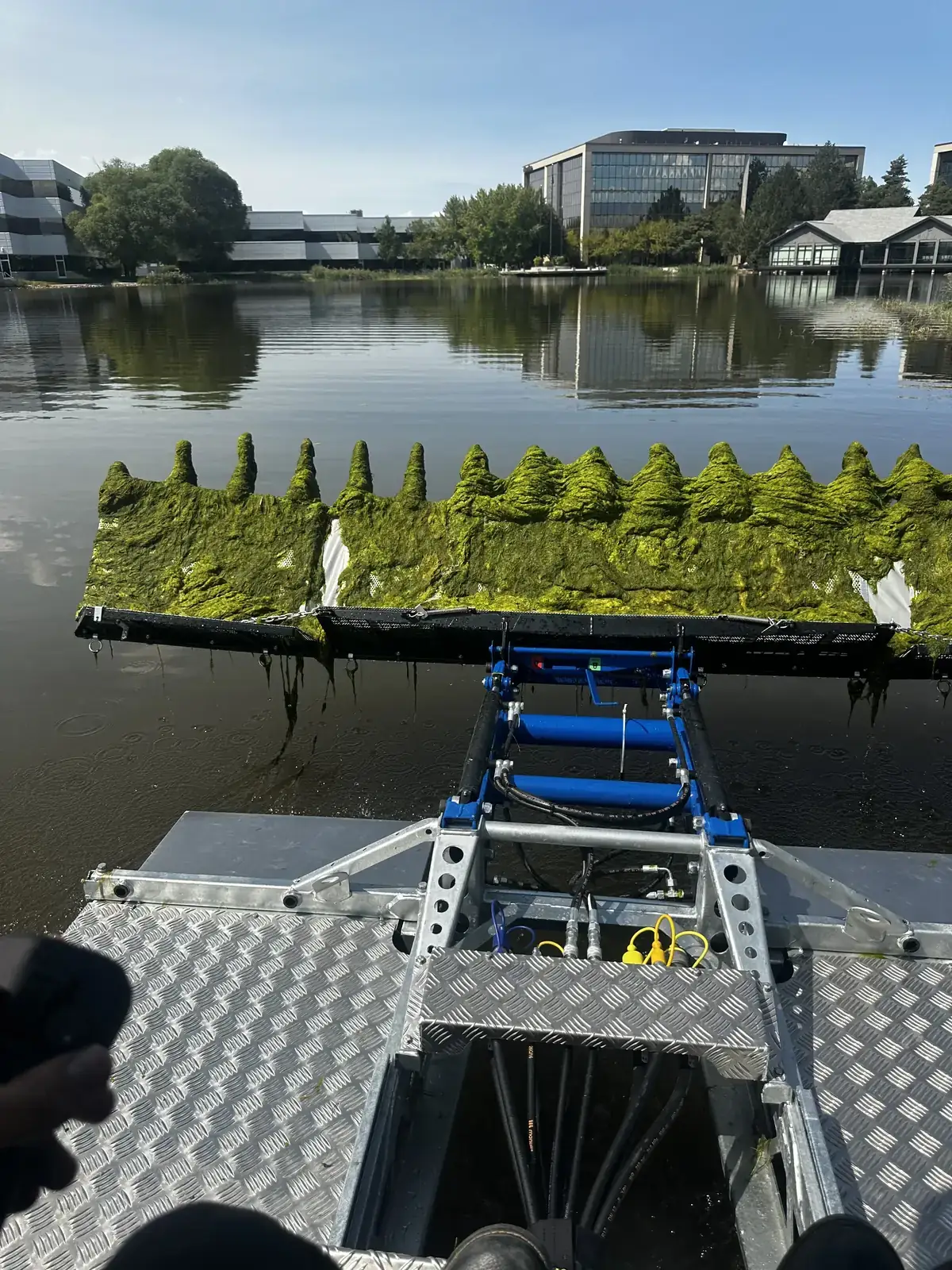
Water Raptor supports projects across Utah, including metro areas and smaller regional locations. The city directory below is a quick way to reach local pages and nearby service context.
Choose your city to view localized service details and nearby coverage links.
Organized region groups for quicker board and property-manager planning.
High-density HOA and municipal corridors with recurring shoreline pressure.
Fast-growth communities where retention and amenity water features need consistent access control.
Regional mobilization support for projects outside metro cores and mixed rural/urban water systems.
Answers on location coverage, mobilization, and how to confirm project fit.
No. The listed cities are common request locations, but Water Raptor serves Utah statewide and can mobilize based on site conditions and scope.
Submit your location and project details through the quote form. We review access, travel, and scope to confirm service availability and scheduling windows.
Location is one factor, but pricing is primarily driven by vegetation density, waterbody type, access constraints, and haul-off requirements.
Yes. Many projects are outside major urban cores, including smaller cities, rural properties, and regional water features that need specialized aquatic access.
Tell us what is growing, where it is, and how access looks. We will recommend a practical harvesting, removal, treatment, or support approach.
No generic promises. We review your site details first, then recommend a scope path that matches actual field constraints.
Request a Quote