Persistent regrowth after harvesting
Species that resprout quickly from root systems left in place after cutting.
Water Raptor supports targeted aquatic herbicide application in Utah when cutting only buys a short reset. We usually start with the zones that refill first, then check response before widening scope. Not every pond needs full-edge treatment.
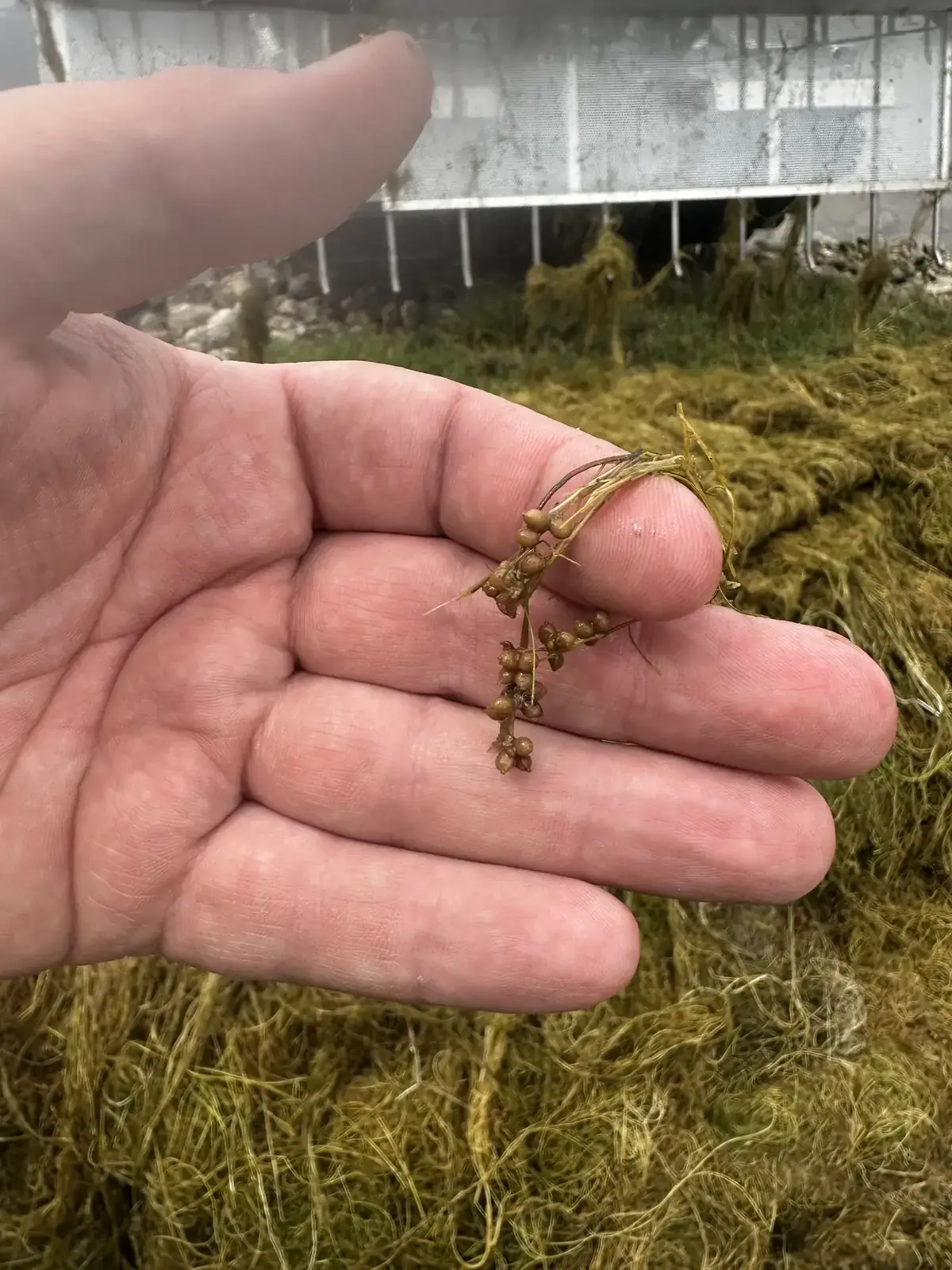
Sites where mechanical removal reopens access, then the same species push back within weeks.
Species that resprout quickly from root systems left in place after cutting.
Broad pond or lake surfaces where mechanical harvesting alone is impractical.
Same zones refilling season after season with no lasting control.
Phragmites, cattail, and similar species requiring a multi-method approach.
Timing treatment after cutting to reduce regrowth and extend control periods.
Site owners who need lasting results rather than annual emergency cleanup.
Work is sequenced around species timing, access limits, and when the site still has to function day to day.
Identify species, growth stage, and where regrowth is creating repeat labor or blocked access.
When canopy is heavy, we cut first so product reaches active leaf surface instead of hanging up in dead material.
Apply aquatic-approved treatment in the species window that gives control without pushing unnecessary coverage into adjacent water.
Track response by zone and revisit the areas that rebound, so follow-up hours stay focused.
Good fit for herbicide support
When another service may fit better
Integrated treatment is a labor and timing decision. Harvesting opens the site now; targeted application slows the repeat growth that keeps pulling crews back.
The tradeoff is broad coverage versus precision. On most Utah sites, narrower zones plus follow-up checks cost less over a season than treating every edge at once, though some high-load ponds do need wider passes.
Related: Aquatic harvesting · Invasive plant removal · Pond & lake maintenance
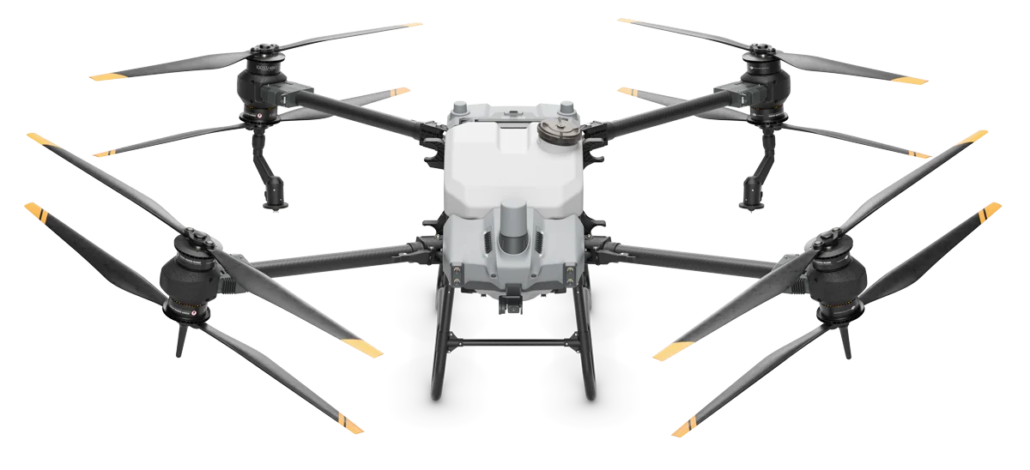
Answers about timing, zone selection, and what usually happens after the first treatment pass.
Herbicide support is typically recommended when invasive species regrow quickly after mechanical removal or when broad coverage makes cutting alone inefficient.
It can be, but many Utah sites perform better with integrated sequencing: mechanical removal first, then targeted treatment for persistent regrowth zones.
Yes. Treatment planning follows aquatic-use requirements and site-specific restrictions. Product selection and timing are matched to target species and waterbody conditions.
Control duration depends on species, nutrient load, and site conditions. Most sites require monitoring and periodic follow-up rather than a one-time permanent treatment.
In many cases, yes. When used strategically, treatment reduces regrowth pressure and can lower the frequency and scope of heavy mechanical cleanup visits.
Tell us what is growing, where it is, and how access looks. We will recommend a practical harvesting, removal, treatment, or support approach.
No generic promises. We review your site details first, then recommend a scope path that matches actual field constraints.
Request a Quote