Cattails & phragmites
Dense shoreline bands that limit visibility, access, and shoreline use.
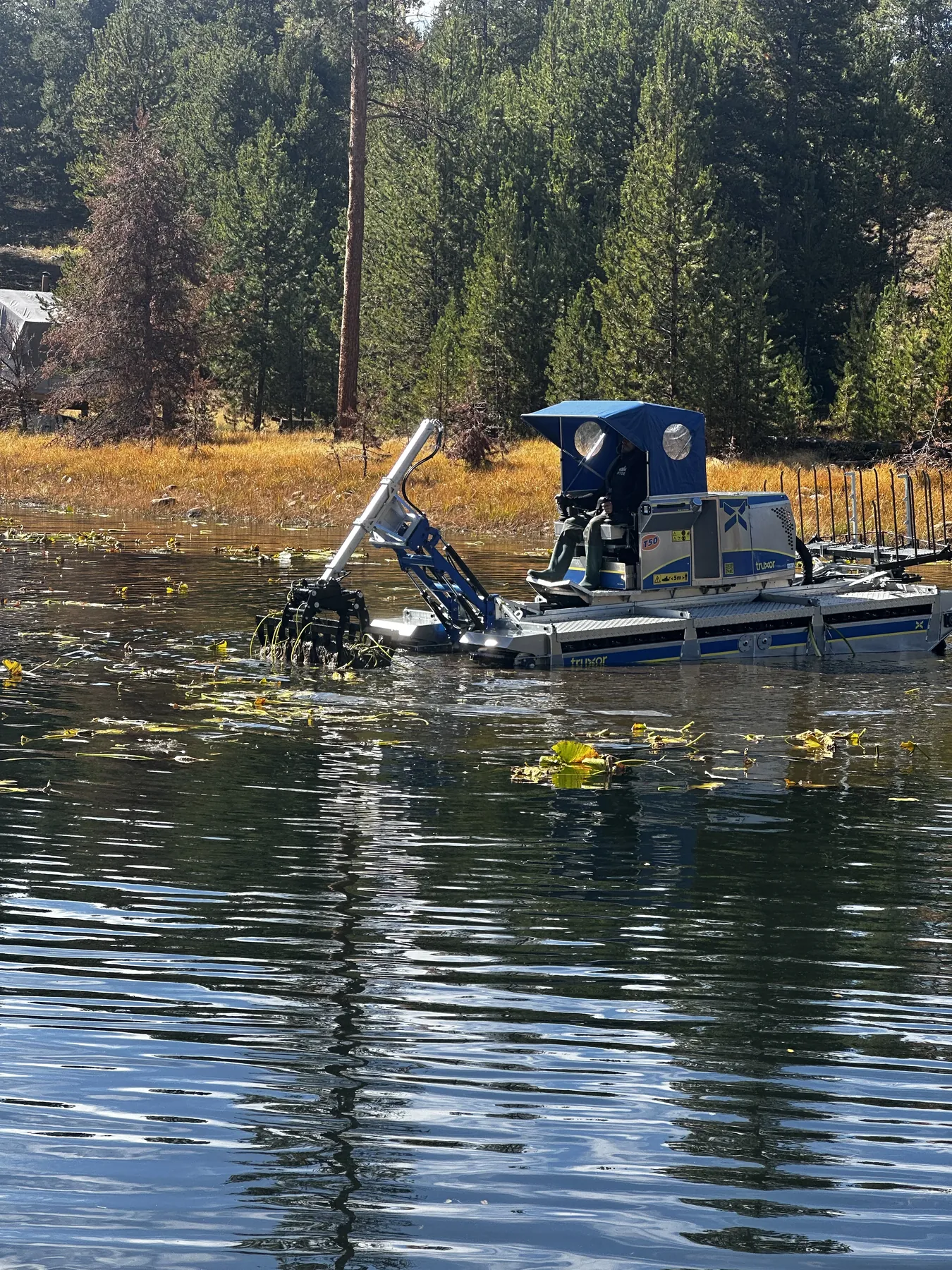
Water Raptor is Utah's field crew for aquatic harvesting, invasive weed removal, and shoreline access restoration. We use amphibious equipment where depth, bank stability, and entry width limit standard gear, then remove biomass so cleared lanes do not close back in from decomposing cuttings.
Common waterbody problems our harvesting crews are called in to handle.
Dense shoreline bands that limit visibility, access, and shoreline use.
Surface mats that trap debris and reduce circulation across open water.
Overgrowth that restricts ramps, work edges, and routine shoreline entry.
Nuisance growth in low-depth zones where standard equipment cannot operate.
Plant buildup around dock lines that interferes with launch and movement.
Aggressive vegetation that reduces function and creates maintenance backlog.
Four field steps, with method choices based on access constraints and expected regrowth pressure.
We evaluate depth, bank firmness, gate or ramp access, and vegetation density before equipment is staged.
Amphibious equipment cuts and gathers vegetation in the water, especially in shallow edges where tracked units would rut banks.
All biomass is hauled out. Leaving cut material in place often feeds the next growth cycle, particularly in warm Utah summer water.
If regrowth pressure is high, we recommend a follow-up sequence: targeted treatment, scheduled maintenance, or return harvesting by zone.
Good fit for aquatic harvesting
When another service may fit better
Mechanical harvesting removes both standing growth and biomass, so you see access improvements immediately and avoid the delay that comes with waiting on treatment response.
It also gives better control in mixed-use Utah sites where one shoreline segment needs work and another does not. We can target choke points, leave stable habitat zones alone, and plan follow-up from what actually regrows.
Planning guides: Utah aquatic harvesting guide · pond weed removal cost in Utah
Related: Invasive plant removal · Pond & lake maintenance · Truxor amphibious work
Answers to questions we hear most often about process, site fit, safety, and cost.
We remove cattails, phragmites, reeds, duckweed, watermilfoil, floating mats, and shoreline brush from Utah ponds, lakes, canals, and retention basins. Both submerged and emergent vegetation are within scope depending on site conditions and water depth.
Mechanical harvesting is one of the lower-impact removal approaches available. We cut and remove vegetation without applying chemicals, which preserves water quality for fish and aquatic life. Work can be scheduled to avoid sensitive seasonal periods when conditions allow.
Cost depends on site access, vegetation density, waterbody size, and how much biomass needs to be staged and hauled. Accessible sites with moderate growth are more efficient than dense cattail stands with limited equipment entry. We recommend describing your site conditions when requesting a quote.
It depends on species and site conditions. Fast-growing species like cattails and phragmites often benefit from a maintenance schedule — annual or bi-annual visits — rather than waiting for full overgrowth to return. Sites that stay ahead of growth require fewer total hours per year.
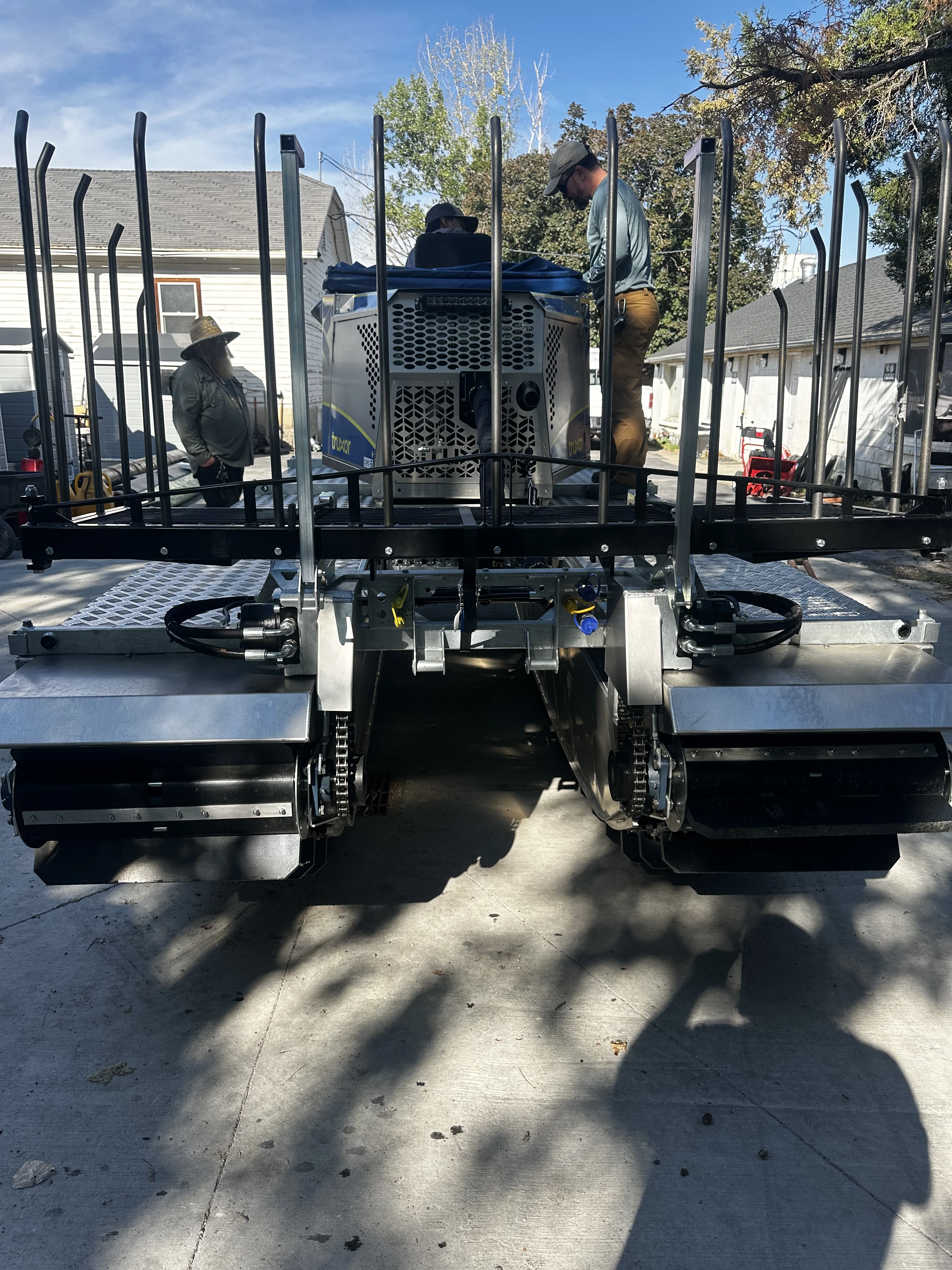
Yes. We use Truxor amphibious equipment specifically for shallow-water and soft-bank conditions. The machine floats and can operate in areas too shallow or too unstable for standard land equipment, which is often where the densest vegetation concentrations develop.
Tell us what is growing, where it is, and how access looks. We will recommend a practical harvesting, removal, treatment, or support approach.
No generic promises. We review your site details first, then recommend a scope path that matches actual field constraints.
Request a Quote