HOA ponds returning to weeds annually
Community ponds look fine after cleanup, then choke back in by mid-season when no follow-up window is set.
Water Raptor helps Utah properties stay ahead of overgrowth with recurring maintenance built around real site use. Some areas stay open all season; others close in fast after wind, heat, and runoff. We schedule around those patterns so work happens before access is lost.
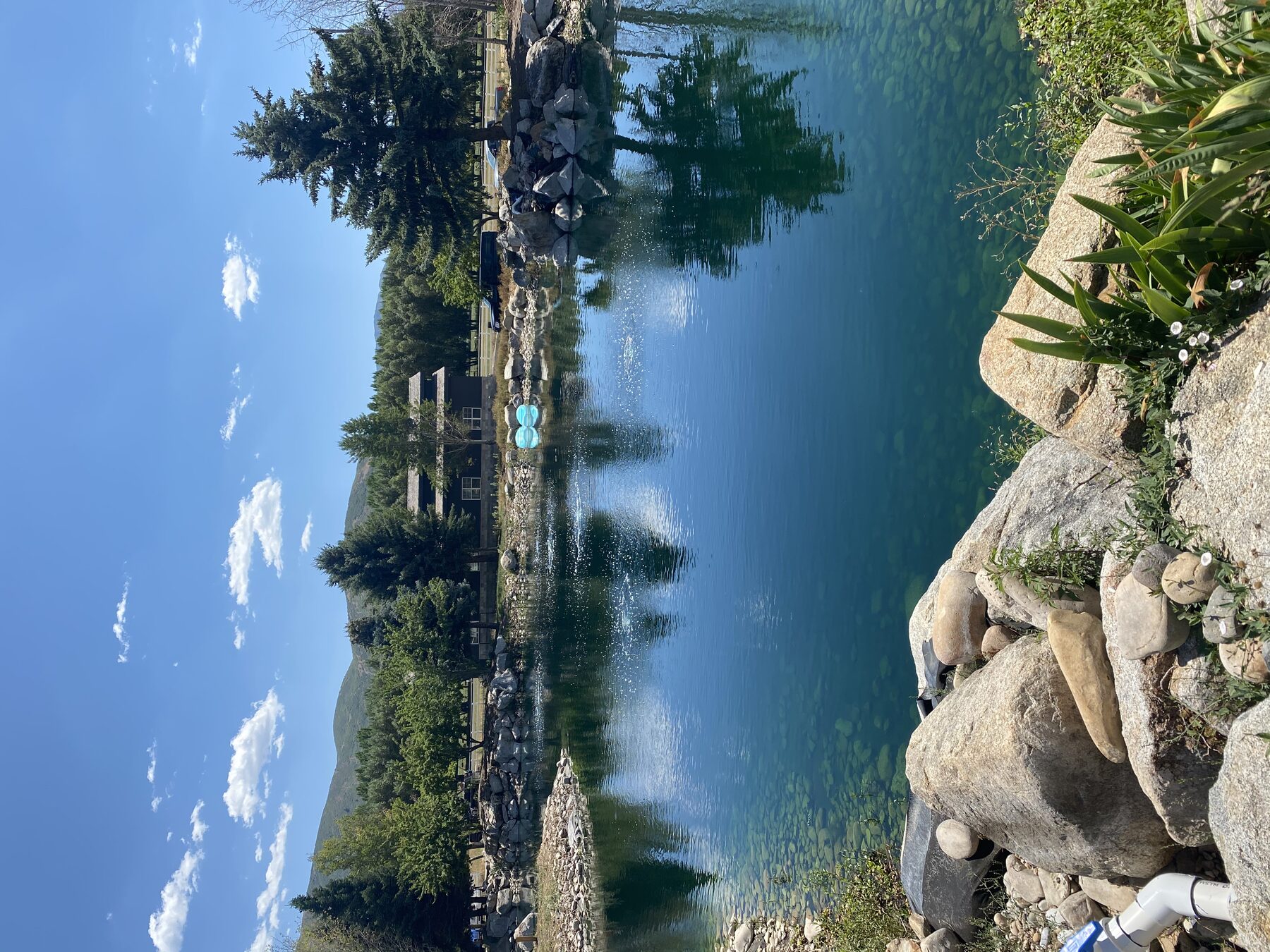
Sites that keep slipping into emergency cleanups when no repeatable seasonal rhythm is in place, especially after runoff and heat shifts.
Community ponds look fine after cleanup, then choke back in by mid-season when no follow-up window is set.
Water features that need reliable seasonal control to stay presentable and accessible.
Stormwater and retention basins where vegetation reduces holding capacity each season.
Access lanes reopen after a visit, but regrowth around edges closes them again within the same season.
No scheduled plan means emergency calls and higher per-visit costs year after year.
Managing multiple water features across HOA, commercial, or municipal properties.
Set cadence from observed regrowth, so each visit stays manageable instead of turning into another reset.
We map the zones that fill in first, like inlet throats, dock corners, and shallow windward edges where floating mats collect.
Then we set visits around site activity, growth cycles, and Utah seasonal shifts. Summer events and inspection windows often drive timing.
Crews return on interval and clear growth before it hardens into dense stands. That keeps each pass smaller.
Scope expands or tightens with weather, nutrient load, and what we see on-site, not a fixed template copied month to month.
Good fit for pond & lake maintenance
When another service may fit better
Smaller scheduled visits are usually less disruptive and less expensive than full emergency resets. Dock edges, access routes, and perimeter paths stay usable through peak growth months, so managers are not reacting to weekly access complaints.
Maintenance intervals also lower the chance of a multi-year overgrowth event. For HOA boards and property teams, predictable scheduling works better because the plan follows real seasonal growth behavior at each site, not a generic calendar.
Planning guides: lake weed removal for Utah HOA communities · retention pond vegetation removal in Utah
Related: Aquatic harvesting · Invasive plant removal · Herbicide application
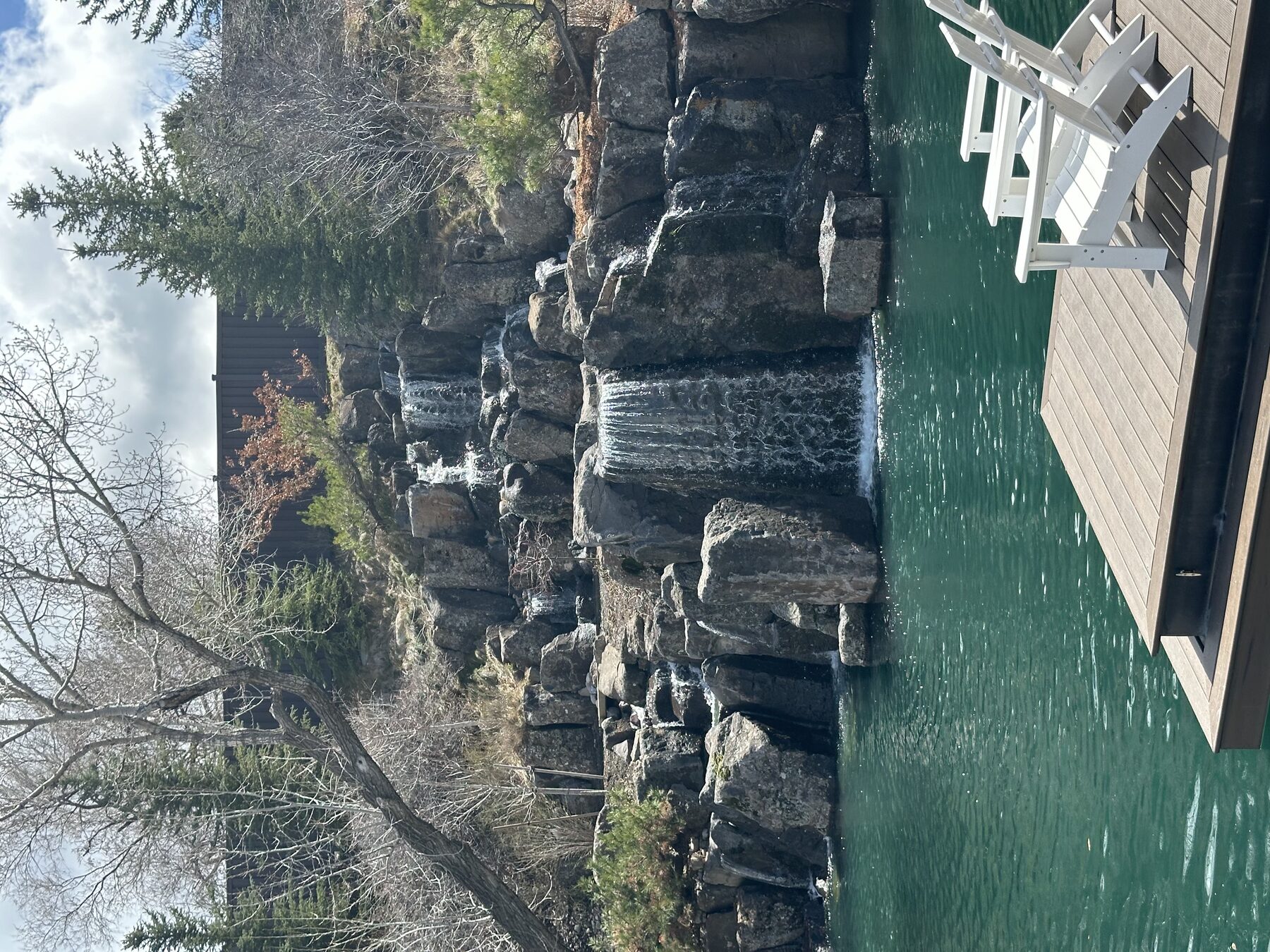
Answers about maintenance cadence, cost planning, and property types we support.
Maintenance typically includes recurring vegetation removal, shoreline cleanup, and access-corridor management on a schedule based on growth pressure and site use.
It depends on species and nutrient load, but many Utah sites benefit from annual or bi-annual visits. Faster-growing ponds may need more frequent seasonal touch-ups.
In most cases, yes. Recurring maintenance prevents dense overgrowth from re-establishing, which reduces labor hours and keeps each visit smaller and more predictable.
Yes. HOA communities, commercial developments, municipal basins, and private properties are all common maintenance profiles for recurring aquatic vegetation control.
Yes. Maintenance plans can combine mechanical harvesting with invasive species removal and targeted herbicide support when site conditions call for integrated control.
Tell us what is growing, where it is, and how access looks. We will recommend a practical harvesting, removal, treatment, or support approach.
No generic promises. We review your site details first, then recommend a scope path that matches actual field constraints.
Request a Quote