Projects

Field stories from shoreline problem sites

This page reads like a field casebook, not a sales brochure: site challenge, selection logic, practical outcomes, and lessons carried into the next project.

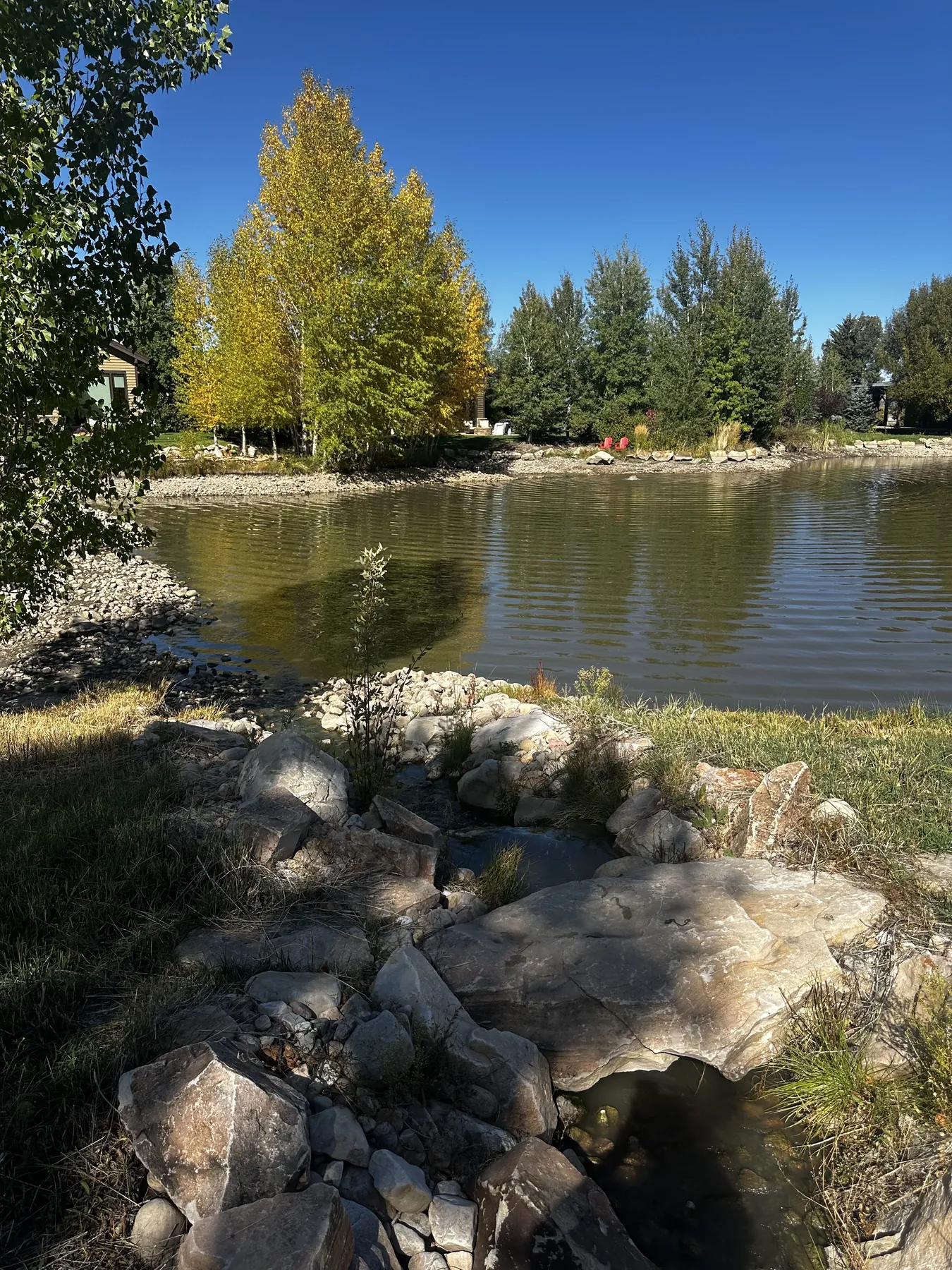
Retention basin access recovery site using Truxor equipment

Retention basin access recovery

Site challenge: Seasonal regrowth blocked perimeter access and trapped floating biomass in narrow corners.

Why Truxor was selected: Truxor was selected to combine cutting and handling in shallow transition zones where larger equipment struggled to position efficiently.

Outcomes

  • Access lanes reopened around shoreline perimeter
  • Floating debris reduced in constrained basin corners
  • Follow-up maintenance planning simplified for recurring growth cycles

Lesson learned: When geometry is tight, mobility and tool switching can matter more than raw machine size.
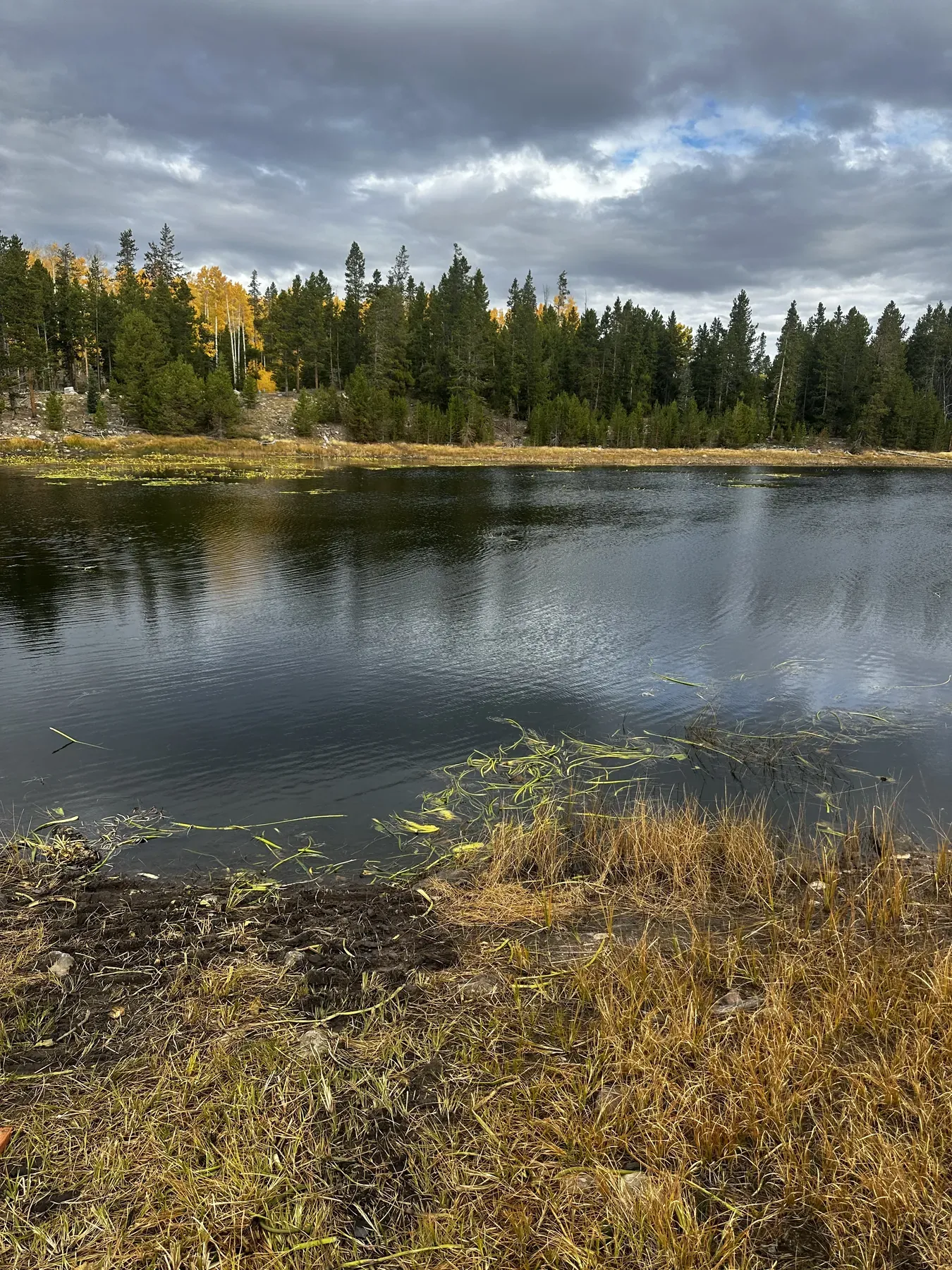
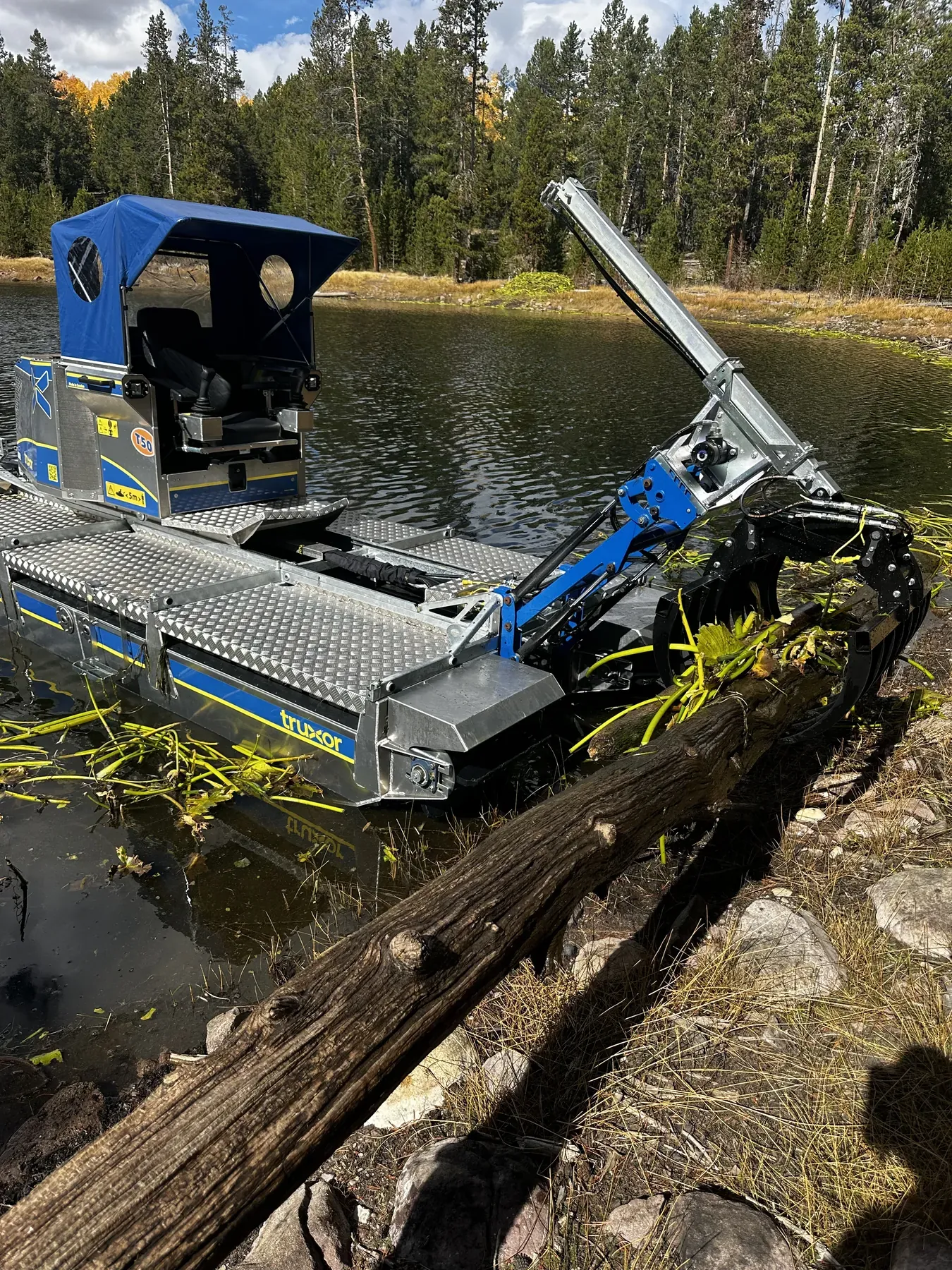
Soft-bank pond edge stabilization support site using Truxor equipment

Soft-bank pond edge stabilization support

Site challenge: Unstable banks limited safe excavator placement and slowed shoreline vegetation control work.

Why Truxor was selected: Truxor allowed controlled movement near the edge while maintaining productive cutting access in shallow water.

Outcomes

  • Reduced reliance on repeated machine repositioning
  • Improved consistency along variable shoreline contours
  • Lower disturbance around sensitive soft-bank sections

Lesson learned: Site impact and production can both improve when machine access matches shoreline conditions.

Dock and ramp corridor clearance site using Truxor equipment

Dock and ramp corridor clearance

Site challenge: Vegetation pressure around access infrastructure required precision, not broad heavy clearing.

Why Truxor was selected: Attachment-driven Truxor setup supported targeted removal around docks and approach lanes.

Outcomes

  • Clearer navigation corridors near structures
  • Controlled removal around fixed access points
  • Improved visibility and usability of shoreline approach zones

Lesson learned: The right attachment strategy can reduce rework around infrastructure-heavy shorelines.

Strong Truxor fit signals

  • Access collapses at shallow shoreline transitions.
  • Soft-bank constraints limit stable excavator positioning.
  • You need cutting and biomass handling in one workflow.

Hybrid method signals

  • Part of the site needs heavy land-side movement.
  • Open-water zones need a different primary platform.
  • You want Truxor for precision zones and another method for bulk movement.

How to send a useful project brief

If you want a credible recommendation instead of a guess, send these details before pricing or sequencing discussions.

  • Current photos showing shoreline geometry and dominant vegetation.
  • Waterbody type and approximate area of active overgrowth.
  • Access constraints: ramps, fences, soft banks, or narrow approaches.
  • Operational priorities: lane reopening, debris reduction, long-term maintenance, or all three.