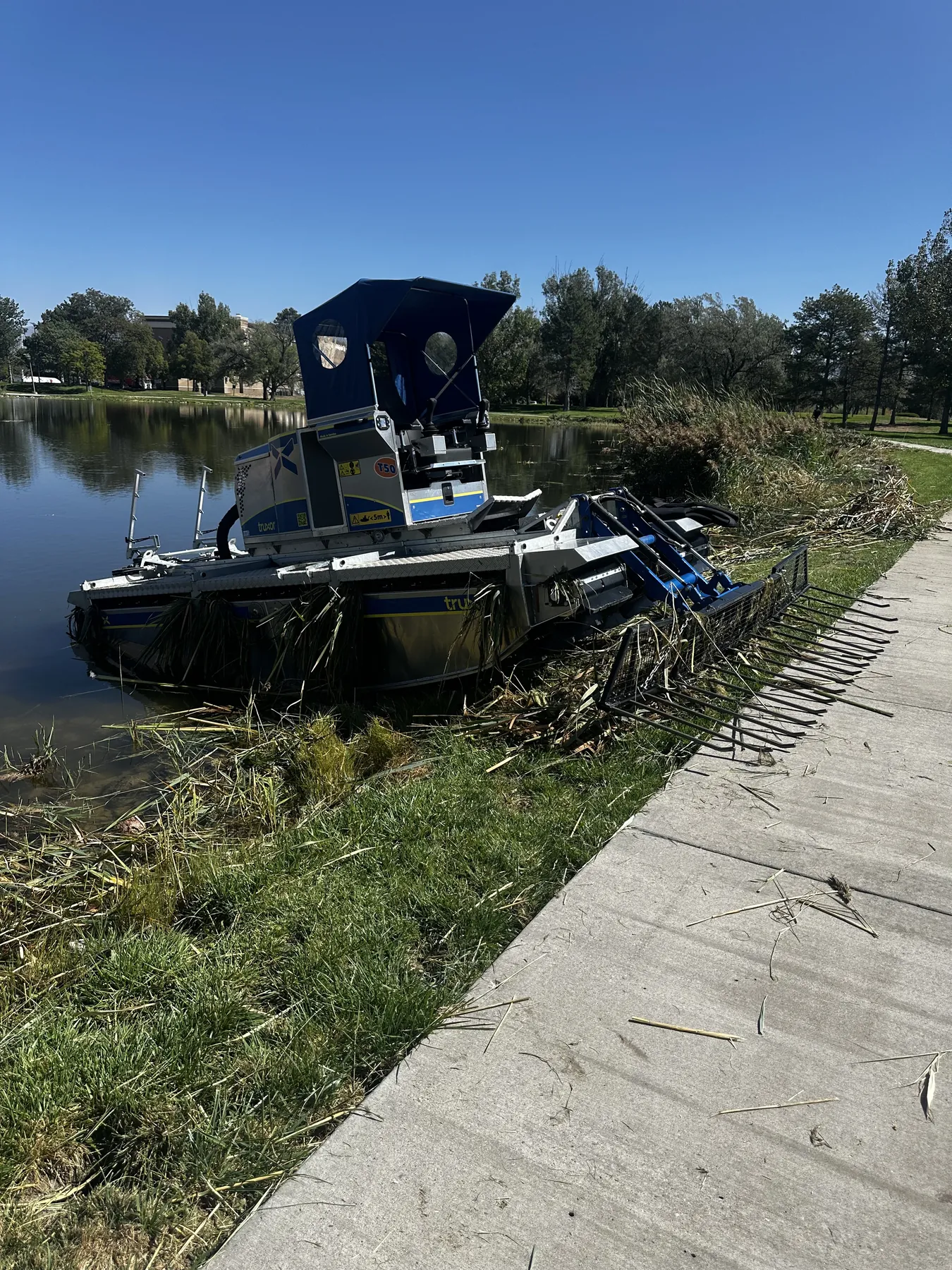
Cutting basket setup
Best used for: Dense cattails, reed walls, and shoreline opening passes
Open field notes
Used for aggressive edge cutting where access lanes need to be reopened and maintained over time.
Best used for: Dense cattails, reed walls, and shoreline opening passes
Used for aggressive edge cutting where access lanes need to be reopened and maintained over time.
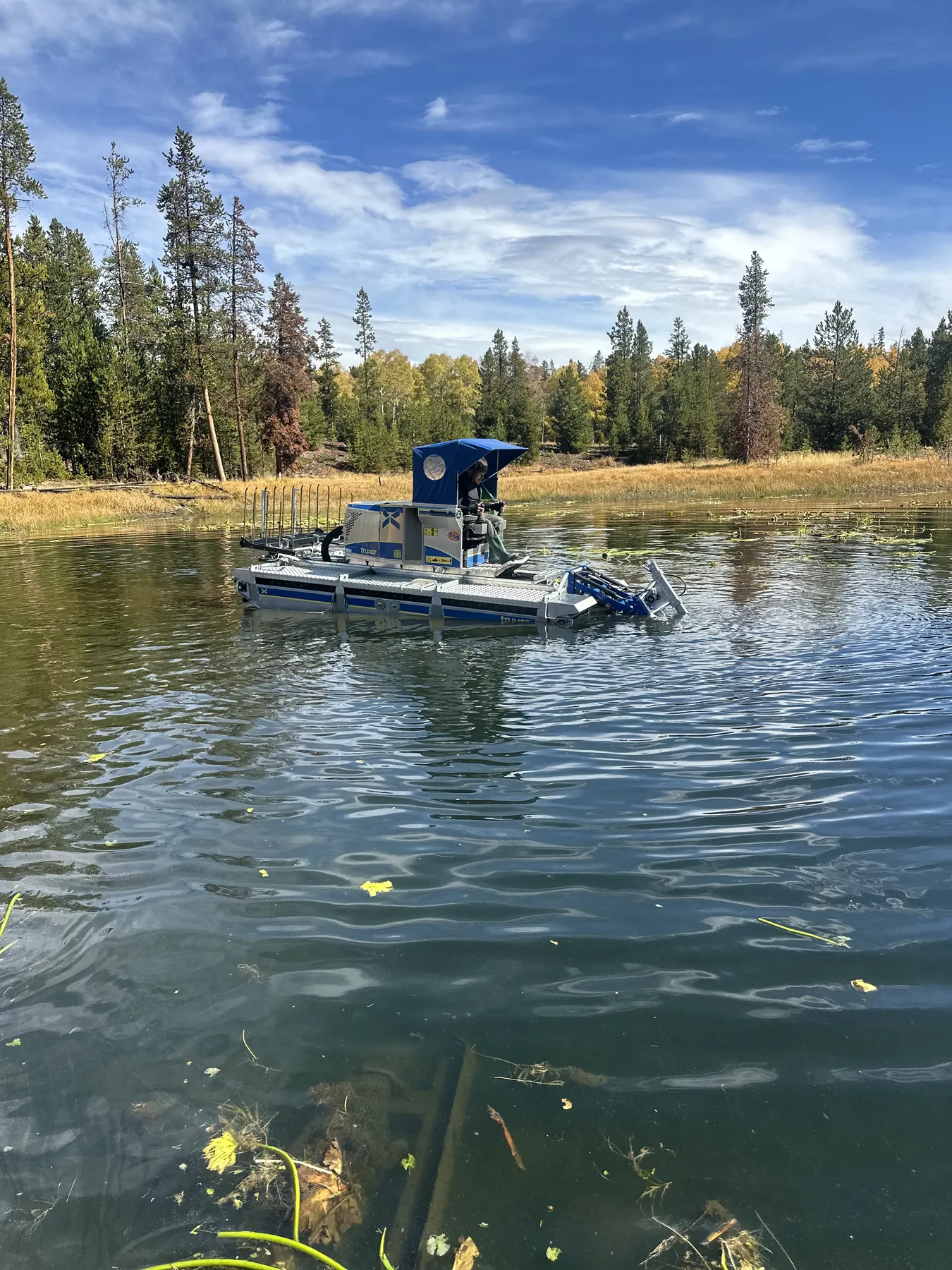
Best used for: Floating biomass and post-cut material handling
Helps capture and move cut vegetation out of coves, corners, and intake-prone shoreline pockets.
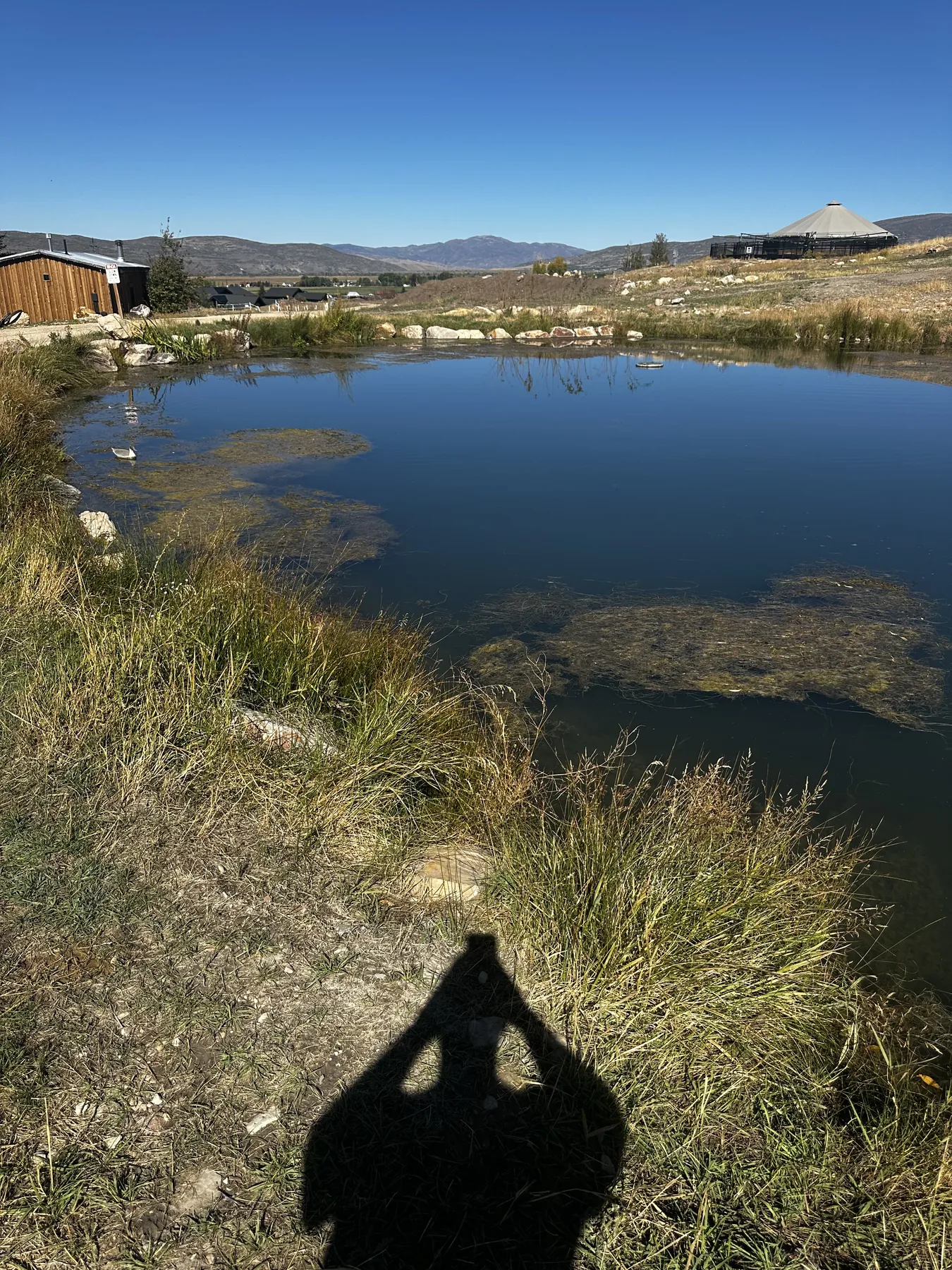
Best used for: Recurring mixed growth in shallow transition zones
Configured for repeat maintenance cycles where precision and consistency matter more than one-time brute force.
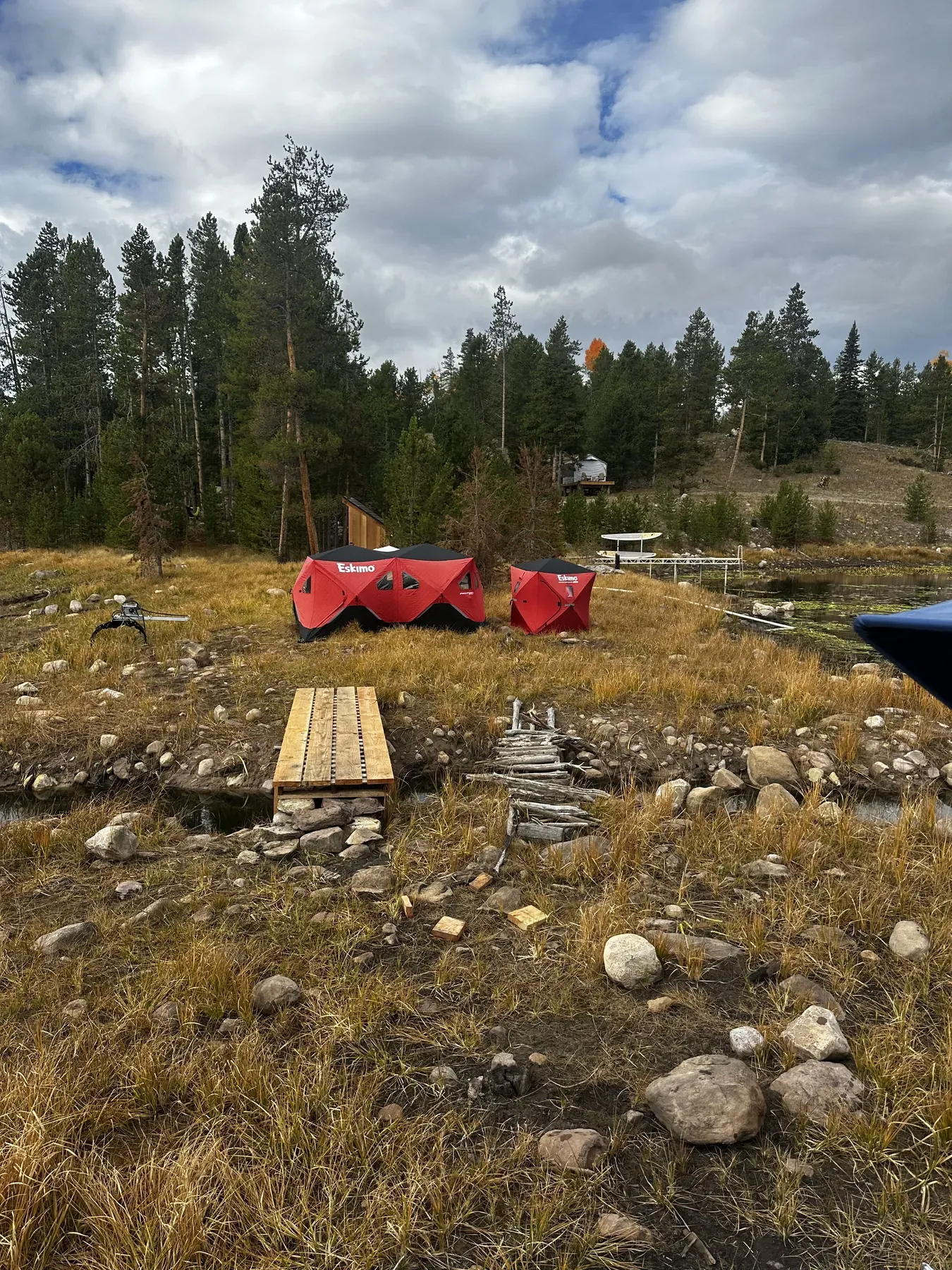
Best used for: Targeted muck and shallow sediment support zones
Supports controlled sediment-related tasks where low-impact shoreline access remains a primary constraint.
Practical pairing guidance for planning conversations before mobilization.
These are the patterns that cause expensive rework in shoreline vegetation projects.
If your site has multiple bottlenecks, start with the constraint that blocks access, then sequence tools around material handling and follow-up control.
If lanes are blocked, cutting usually leads. If material accumulation is the bigger risk, harvesting and handling may lead or run immediately after cutting.
Sometimes, but not usually on mixed-condition sites. Most productive plans sequence attachments based on access, regrowth pressure, and cleanup needs.
Yes. Tool changes influence production flow, mobilization logic, and how quickly biomass can be removed from active zones.
Share photos, dominant plant types, shoreline constraints, depth pattern, and whether docks, ramps, or inlets must stay open during work.